
Unhidden Gem
Upset's Road to Man o' War

Wednesday, May 28, 1919, Henry V. King of the New York Herald reported on “a strapping big chestnut” colt at Belmont Park who “probably will turn out to be a champion.” But King wasn’t describing juvenile marvel Man o’ War. Not yet. The colt who mightily impressed him that May at Belmont Park? Harry Payne Whitney’s Upset.
He was a Jersey boy, new to the Big Apple. Born and raised at Whitney’s Brookdale Farm in Red Bank, the handsome son of handicap triple crown champion Whisk Broom II and the winning mare Pankhurst (Voter (GB)—Runaway Girl, by Domino) had been turning heads during early training at the farm. Henry V. King had heard, “Time and again he stepped a half mile in less than forty-seven seconds without taking a long breath.” Less than forty-seven. Down in Maryland, that kind of speed was tipping off racetrackers that a big chestnut not-yet-raced Glen Riddle Farm colt by Fair Play out of Mahubah could be something special.
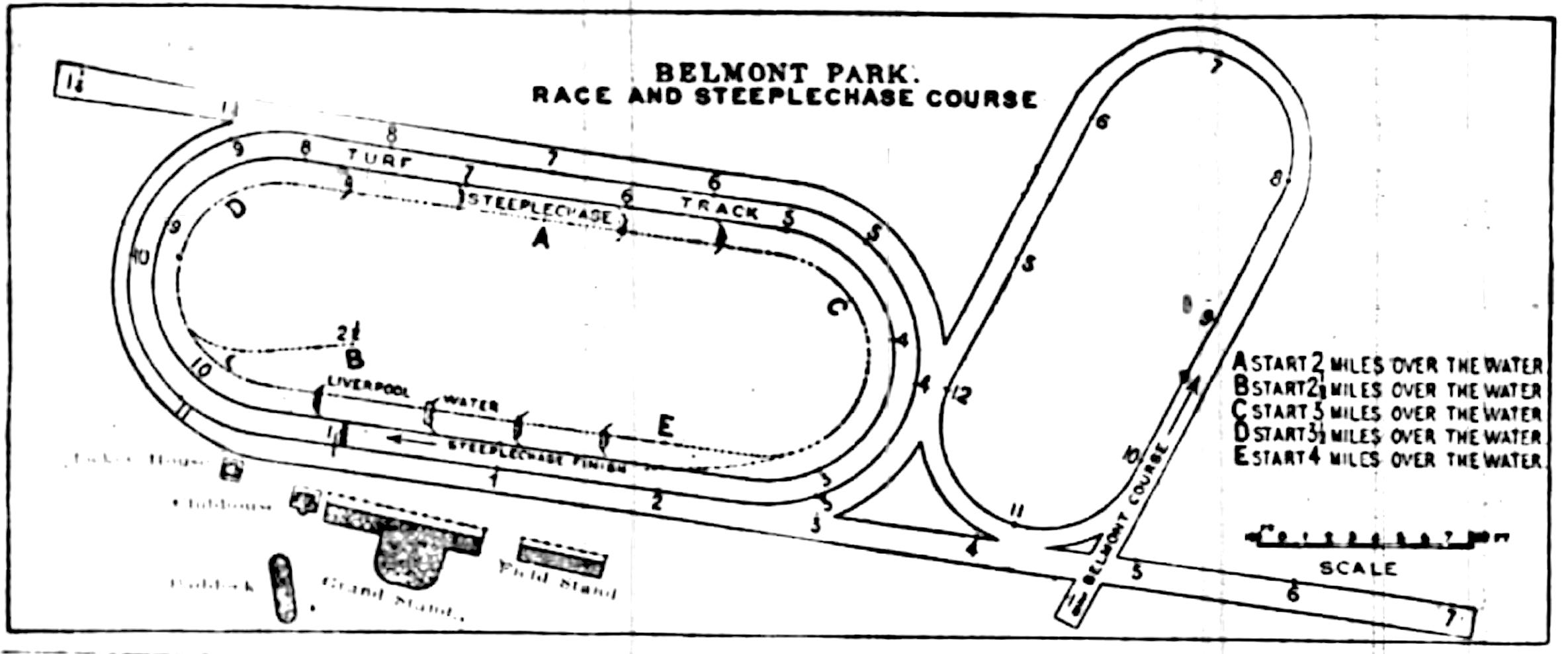
Bringing H. P. Whitney two-year-olds to Long Island on Monday, May 26, future Hall of Fame trainer James Gordon Rowe thought Upset would win at first asking. Belmont Park, however, presented a reality check. Having spent his whole life at Brookdale, Upset was brand-new to racetrack bustle—and compared with a standard one-mile training track, Belmont was strange indeed. Horses ran clockwise there, turning right, not left. Furthermore, the frontside seven-furlong chute where Rowe sent Upset to start an exercise gallop passed close by the training track’s far turn and fed into a gigantic 1 1/2-mile main oval.
Upset was just plain scared. Ridden into the chute to begin working out, he froze. “After a lot of urging he began to gallop,” Henry King reported, “but after going a quarter of a mile he stopped and refused to budge, and was taken back to his stable.”
